
Providers and the care system
Why home care visits are the length they are
A visit can feel short from the outside. How visit lengths are usually set, what shapes them, and what you and your parent can ask if the time does not fit.
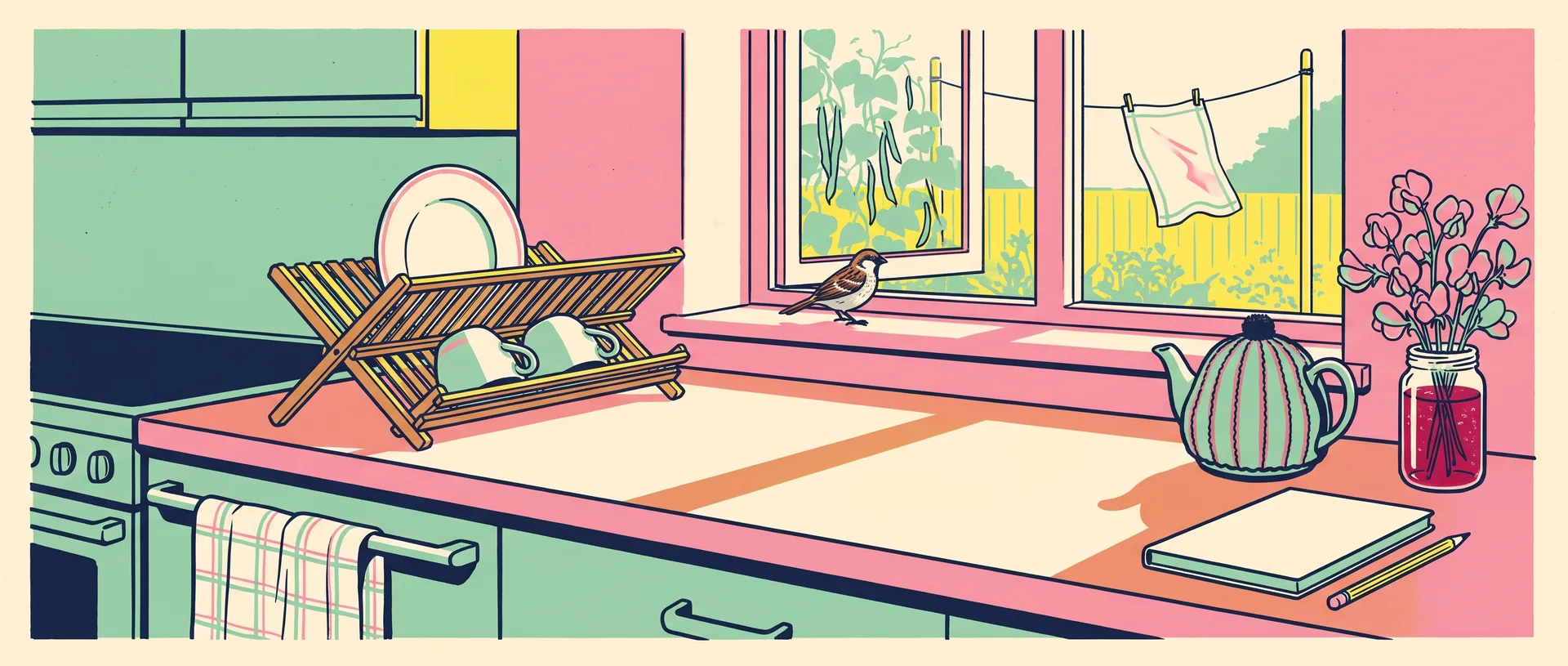
You happen to be at your parent's on a weekday morning when the carer is already inside. The bed made, the breakfast things washed and put away, a few words about the weather and a grandchild's exams, a note written up, and the front door closes again. From where you sat by the window, it all seemed to go by quickly. This is information, not medical advice. It will not say whether any visit is long enough, or judge any provider, and no page could do that from outside. What it sets out is how guidance in a few places describes the way visit lengths come about, and what you and your parent can ask.
Where a visit's length starts
NICE's home care guideline for England describes the home care plan as setting out the home care support that the provider and the person have agreed will be put in place.
Under that definition from NICE for England, a visit's length follows from what the home care plan sets out, not from how it looks from the outside.
What we don’t claim here
We don’t tell you whether a change is serious, or where ordinary ends and concerning begins. No authority sets that threshold, so we don’t imply one.
Who can weigh it: your parent’s doctor or other health professionals, who know the person and the situation. Where to take it →
What shapes the time
The same NICE guideline for England recommends asking people which parts of their home care matter most to them, and whether they would like some of the time used flexibly for different jobs as needed. NICE's guidance on people's experience of adult social care in England says staff should respond flexibly to the priorities a person might set on a given day, for example spending longer helping them get dressed for a special occasion and less time on other tasks.
Travel is part of the picture too. One thing behind a visit's length is the journey to the next one: NICE's home care guideline for England recommends scheduling enough travel time between visits. HIQA's evidence review for Ireland describes care staff being able to fit their visits around the day a person and their family already have.
Behind all of that sits how many hours are arranged and how they are paid for, which differs by where your parent lives; those questions belong to Paying for care and How the care system works where you are.
Short visits, and what can be asked
NICE's information for the public in England says most home care visits should normally be longer than 30 minutes. Arrangements are not the same everywhere, and how visits are set where your parent lives may differ from that. NICE's quality standard for home care in England says any short visits in a person's care should be carefully considered and agreed in advance with the person.
NICE's information for the public in England also suggests questions a person might want to ask their provider, including what to do if they think a visit is too short. Other questions you and your parent might take to the provider include what the visit time was based on, which parts of the visit matter most to your parent, and whether some of the time could be used differently on different days.
Your parent's own sense of the visit comes first, since it is their time and their home.
If a question about visit time turns out to be a question about your parent's health, it is worth bringing to their doctor or care team, and your parent sets the pace for that conversation. The guidance here comes from England and Ireland and speaks for those places. What good care at home can look like and What help at home can include come at the wider picture from other sides.
When to ask a professional
This piece stops where a professional’s judgment starts. Bring what you’ve noticed, plainly, to your parent’s doctor or other health professionals.
Sources
The outside sources this article draws on.
Primary: Taken from the official source itself, and cited directly. Secondary: Established in recognised guidance, summarised here.
- PrimaryNICE (England), NG21, Terms used: home care plan, and recommendations 1.3.20 and 1.4.4, 17 September 2015, updated March 2018
- PrimaryNICE (England), Home care for older people: what you should expect, information for the public, 17 September 2015
- PrimaryNICE (England), Home care for older people (QS123), quality statement 4: Length of home care visits, 22 June 2016
- PrimaryNICE (England), People's experience in adult social care services (NG86), recommendation 1.4.4, 20 February 2018
- SecondaryHIQA (Ireland), executive summary of the evidence review for National Standards for Homecare and Support Services in Ireland, 2022
Related reading






More articles in this department
How we source
Carefulness, made visible.
Named, not counted
Each piece names its sources and tags each one Primary or Secondary. It never counts sources at you.
Holding back
Where a part isn’t confirmed, a piece runs shorter and says what is missing.
Naming the limit
Every piece names where its authority ends, and who to ask instead.